Bugs Count


identification guides

Is there an identification guide your society needs?

23 August 2011

There are many wildlife identification guides or keys that either haven’t been written yet or would benefit from an update. OPAL is collecting opinions from natural history societies on what guides need to be produced.

It could be a guide aimed specifically at beginners or advanced users. We’ve already received a number of suggestions, including sawflies, soldier beetles and adult caddisflies.

We will use your suggestions to encourage development of these guides.

If you would like to make a request, you can submit your suggestion easily on the OPAL website via the link below.


We hope that together we can improve the identification resources available.


Go forth and identify

23 June 2010

Find out how to identify amphibians such as this Great Crested Newt

Learn to identify local wildlife with the many guides and keys now available on the OPAL site.

From trees and duckweeds to damselflies and amphibians, the new identification section on the OPAL website offers a growing collection of resources to help aspiring biologists of all ages put a name to local wildlife.

Many of the identification guides have been produced by OPAL for our popular national surveys. Covering common plants and animals from lichens to earthworms, the easy-to-follow guides all have clear photo examples.

As well as the survey guides, you’ll also find links to other useful identification resources such as the Natural History Museum’s bug gallery and forums.

New identification guides will be added over the coming weeks and months, so be sure to check back regularly.


Interested in improving your identification skills?

OPAL organises free beginner courses in identifying common birds, moths, plants, insects and other wildlife.

All upcoming courses are listed on our events calendar. We hope to see you on one soon.


Explore Nature

This is where you can explore your interest in nature further.


CREST science awards for primary and secondary schools

CREST is a nationally recognised award programme for science project work. Designed by the British Science Association, they are open to children aged 5 - 19 years.


Learn more about CREST and how to take part on the British Science Association website.


Discover Classification - free teacher resource pack

The OPAL team at the Natural History Museum has developed a free resource pack to support the teaching of biological classification in secondary schools.

Aimed at Key Stage 3, the resource pack includes a series of three lessons on classifying species, two extension lessons and supporting PowerPoint presentations. The pack also serves as useful revision for Key Stage 4.
 

Download teacher resource pack (8 documents, Zip file, 2.6MB) - updated Feb 2010


Learn more about climate change and ask questions to the experts

Bee hotelDo you have a question about climate change? Submit your question online, and experts at the Met Office will try to answer as many as possible.

You can also test your knowledge in our climate change quiz, share your weather photos, try your hand at making a tornado, and find out when the OPAL Weather Roadshow is visiting near you.


Mission:Explore - challenge yourself and explore the world

Learn more about the world around you through a series of exciting challenges. Earn points and rewards as you go and see if you can top the Mission:Explore leaderboard.

All the missions make for great school and outdoor activities. Try the OPAL challenges and earn your Nature Explorer badge.


Build your own bee hotel and help support our bee populations

Bee hotelCreate a home for bees and join the OPAL West Midlands bee hotel project.

By placing a bee hotel in your garden you'll help support a number of important bee species. You can also help the OPAL West Midland team develop a photographic guide for the bees that use the hotel.


Join in our BioBlitzes, or get help with running your own

BioBlitzes are an exciting race against the clock where scientists and members of the public work together to find as many species as possible. Not only are they great fun, but they also collect useful scientific data.

See our BioBlitz page for information on upcoming BioBlitzes that you can get involved in, and read about OPAL's very first BioBlitz in Wembury.

We've also produced a guide for those of you interested in running your own BioBlitz.


Free Darwin Guide

Darwin Guide

Learn to explore and record wildlife just like Charles Darwin. Co-authored by Darwin's great-great-grandson, The Darwin Guide has been produced by the National Biodiversity Network (NBN) to inspire people of all ages to record and enjoy nature.

It's completely free and can be downloaded or ordered from the NBN website.


Join the Earthworm Society of Britain

Nick Baker, ESB patron

Get to know more about earthworms with the help of experts, take part in field trips to improve your identification skills and help scientists with ongoing research.

The Earthworm Society of Britain has been created to give everyone the chance to learn more about these fascinating creatures.


Watch Nature Live events

Nature Live

Nature Live events give you the chance to meet experts and learn all about the natural world. They are hosted and run by the Natural History Museum.

We have arranged a number of Nature Live OPAL specials and they are all available to watch again here. See the videos from our recent bat weekend and learn more about these incredible animals.


Join a local nature group

Fancy getting more involved in nature? Want to help the environment and meet like-minded people?

Joining a nature society or wildlife recording group is a great way to learn more about your local wildlife, improve your identification skills and help the environment. Activities can range from wildlife recording to practical conservation tasks.


Join in the urban tree survey

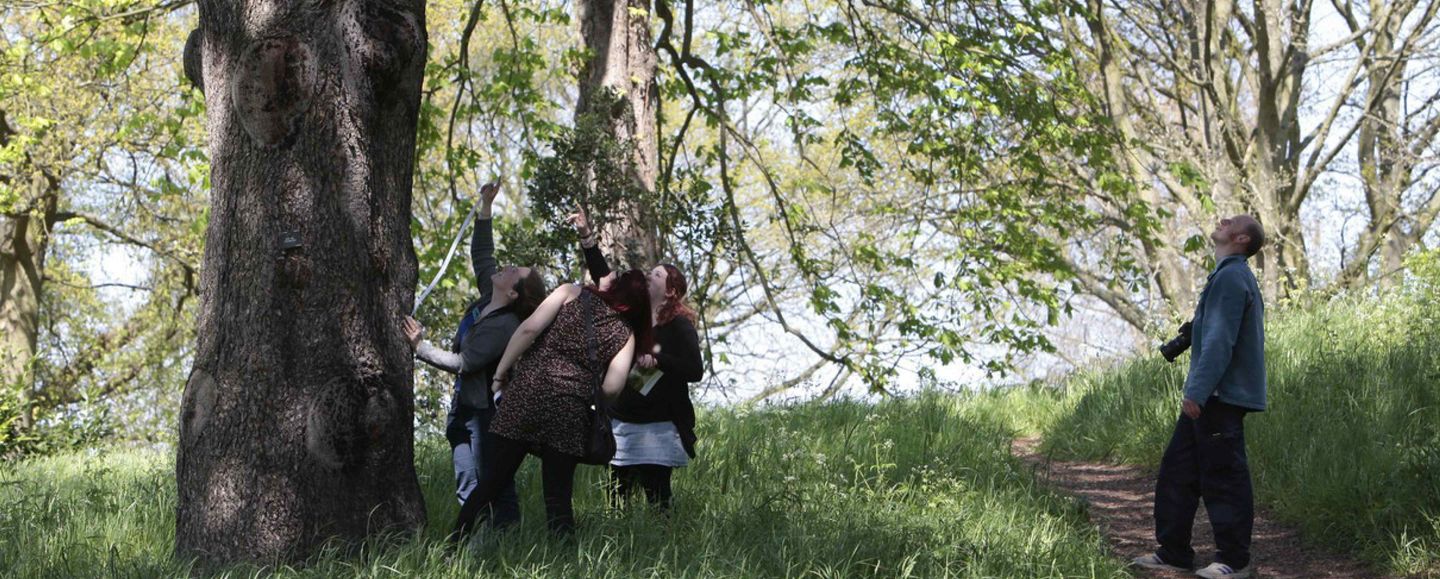
Cherry treeWhat trees are growing in your garden or local park? Submit your findings online and help the Natural History Museum with a nationwide survey.

Taking part is quick and simple, and there's a free identification guide on the Museum site to help you.


Get chatting in the bug forum

Curious about caterpillars? Amazed by ants? Or just wondering what that strange-looking bug in your house is?

Join the Natural History Museum’s bug forum and you can upload photos of a bug you’ve spotted and the Museum’s scientists will help you identify it. You can also ask all your bug-related questions. Insects, spiders, centipedes and any other creepy crawlies you find are all welcome.